
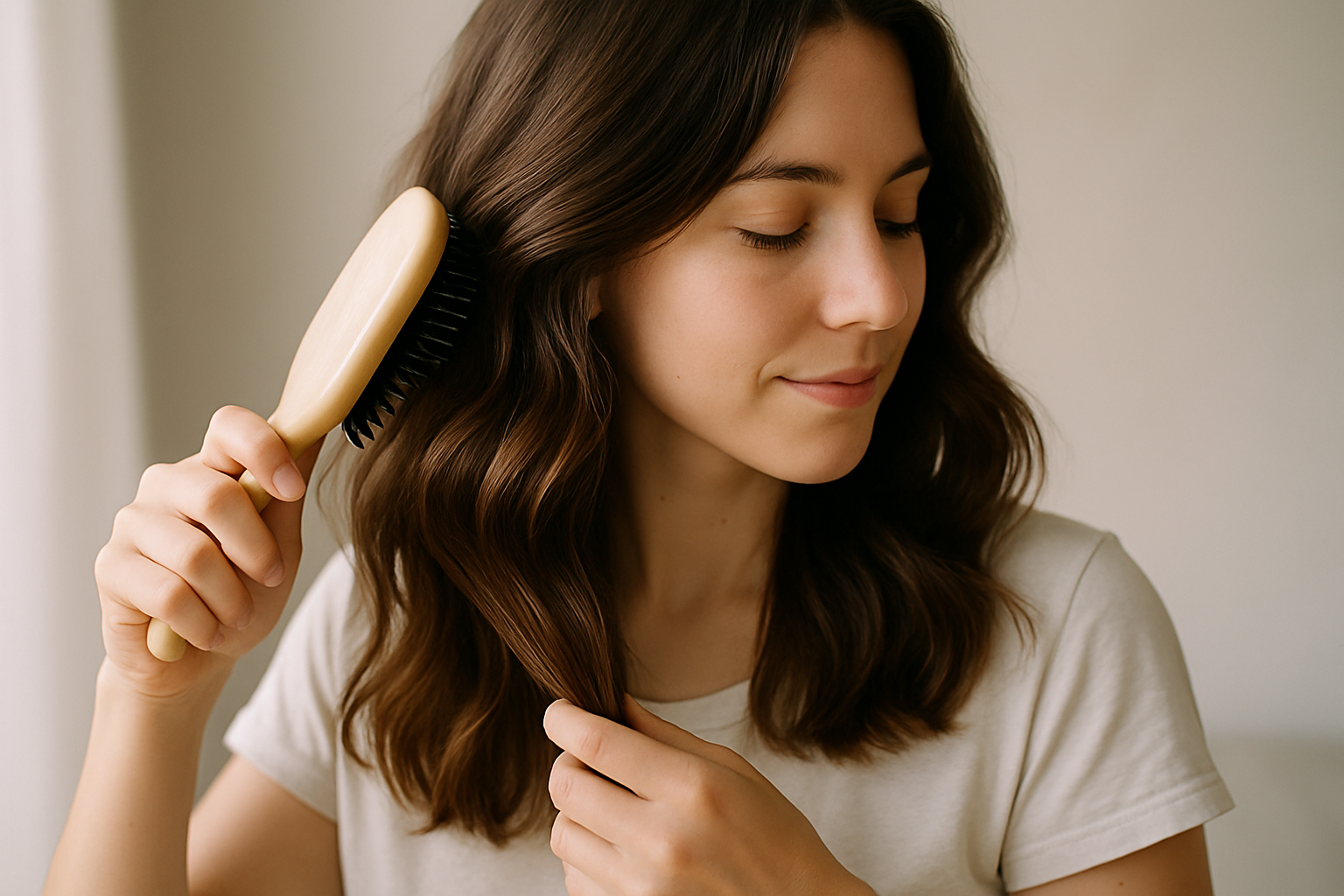
Constantly fighting knots and tangles? You’re not alone. Tangled hair can happen to every texture and length, but with the right techniques, you can detangle gently, prevent future knots, and keep hair feeling smooth and healthy. Here’s what actually causes tangling—and exactly how to fix it, for every hair type and routine.
What Causes Hair Tangling?
- Dryness and Damage: Hair that’s dry, over-processed, or split is more likely to catch and knot.
- Product Buildup: Heavy products and residue make strands stick together.
- Friction: Sleeping with hair loose or wearing textured clothing can rough up the cuticle.
- Skipping Detangling: Skipping regular brushing or combing, especially after washing, leads to more knots.
- Hair Type: Curly and fine hair can tangle easily because of their shape and delicacy.
How to Detangle Hair Safely: Step-by-Step
Works for: All hair textures. Adjust tools according to thickness: use a wide-tooth comb for curls and coils, a detangling brush for straight or wavy hair.
What You’ll Need
- Wide-tooth comb or The Tangle Bloom Brush
- Leave-in conditioner or detangling spray
- Sectioning clips
- Spray bottle of water (for dry detangling)
Step-by-Step Detangling
- Start Damp (Not Soaked): Spritz hair with water or detangling spray. Sopping wet hair is fragile, but dry hair creates more friction.
- Apply Leave-In: Work a small amount of leave-in conditioner through the lengths, focusing on ends.
- Section Hair: Use clips to divide hair into 2–4 manageable sections, especially if thick or curly.
- Work From Tips Up: Starting at the ends, gently detangle using your fingers or tool. Move up an inch at a time toward the roots.
- Be Patient With Knots: For tough tangles, hold the hair above the knot to avoid pulling on the scalp, and gently tease apart with fingers before combing through.
- Repeat On Every Section: Only move to the next section once the previous one is smooth.
Common Mistakes to Avoid
- Ripping through knots quickly—always go slow to avoid breakage.
- Using a fine-tooth comb or brush on wet curly hair (can pull and snap strands).
- Skipping detangling altogether after wash days.
Preventing Tangles: Practical Everyday Fixes
- Condition Well: Never skip conditioner—focus on the ends.
- Trim Split Ends: Get regular trims; splits snag on other hairs.
- Sleep Protection: Use a satin pillowcase or wrap hair in a silk scarf at night.
- Protective Styling: Braids, twists, or loose buns keep hair contained and minimize friction.
- Limit Heavy Products: Avoid heavy waxes or gels that build up and stick strands together.
- Detangle Regularly: Don’t wait for knots to get worse; gently detangle daily or after every wash.
Texture-Specific Detangling Advice
For Fine, Straight Hair
- Use a lightweight detangling spray to avoid weighing hair down.
- Comb before and after washing to prevent snags.
- Don’t over-brush; stick to detangling only as needed.
For Wavy or Loose Curls
- Detangle when damp, not wet, with a wide-tooth comb or gentle detangling brush.
- Use a curl cream or light leave-in to help slip.
- Refresh waves daily with a water/conditioner mix in a spray bottle.
For Tight Curls and Coils
- Always detangle when hair is damp and saturated with conditioner.
- Finger-detangle first, then finish with a wide-tooth comb if needed.
- Work in small sections for better control and less breakage.
- Protective styles (like twists or braids) can minimize daily tangling.
Extra Tips for Persistent Tangles
- Upgrade Your Pillowcase: Satin or silk reduces friction overnight.
- Rinse With Cool Water: After conditioning, a cool rinse seals the cuticle, making hair smoother and less likely to knot.
- Use Detangling Brushes Designed for Wet Hair: Brushes like the Tangle Bloom Brush minimize breakage.
- Don’t Rub Hair With a Towel: Instead, blot gently or use a microfiber towel to reduce frizz and snags.
How Often Should You Detangle?
- Fine/Straight Hair: Daily or every other day.
- Wavy Hair: Every 1–2 days or after each wash.
- Curly/Coily Hair: Once or twice a week, or before/after wash days.
When to See a Pro
- If you’re dealing with severe matting or dreadlock-like knots, do not try to rip them out—see a stylist for gentle removal and a trim.
- If sudden tangling is accompanied by excess hair shedding, consult a trichologist or dermatologist for advice. (See hair breakage causes for more.)
FAQ: Tangled Hair Troubleshooting
- Is it better to detangle wet or dry? Damp is usually best—fully wet hair is fragile, but detangling dry can cause breakage, especially for curls.
- What’s the fastest way to detangle? Use plenty of slip (conditioner or detangler), work in sections, and start at the ends—never rush or yank.
- How do I stop my child’s hair from tangling? Keep hair in braids or buns, use a detangler daily, and opt for silk pillowcases or bonnets at night.
- Are certain haircuts less prone to tangling? Blunt or single-length cuts tangle less than heavily layered styles. Regular trims help, too.
- What if I have extensions or a weave? Detangle gently with a wide-tooth comb, support the base of the extension, and follow your stylist’s aftercare advice. (See extension care guide.)
For more advice on keeping hair healthy and smooth, see our guides to hair maintenance and hair type-specific care.
Some links may lead to products available through Hair & Glory. Choose products based on your own hair needs and preferences.