
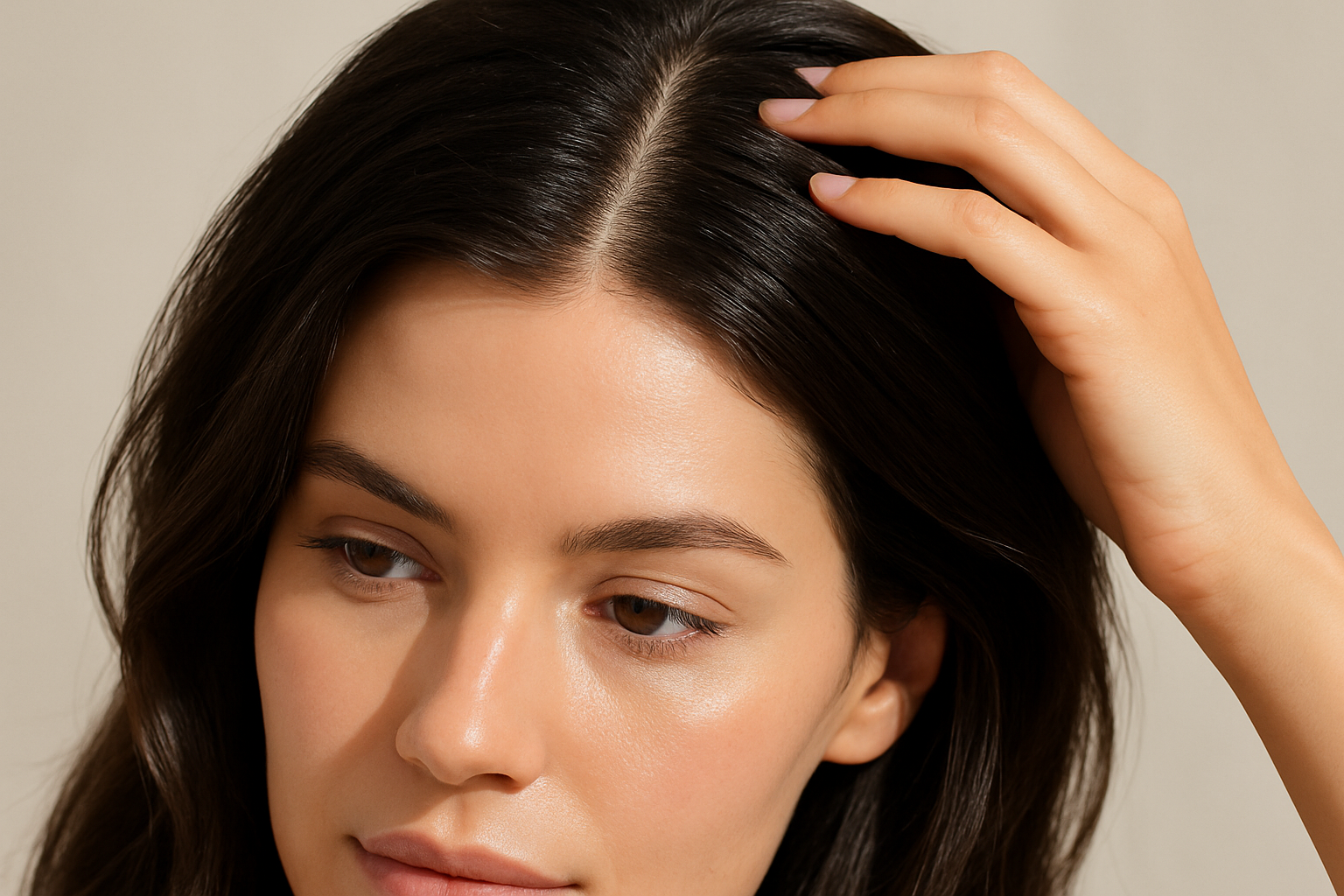
Constant scalp itchiness or visible flakes can make even the best hair day feel uncomfortable. If you’re frustrated by irritation, dryness, or persistent flaking, this guide will help you identify the likely causes and—most importantly—walk you through practical, texture-specific solutions you can start using today.
Start Here: What’s Causing Your Scalp Issue?
Most itchy or flaky scalps fall into one of five categories:
- Dryness: Often from harsh shampoo, overwashing, or dry weather.
- Product Buildup: Styling products, dry shampoo, or heavy conditioners left behind.
- Oil Imbalance: Excess sebum can trap dead skin, causing flakes and itch.
- Sensitivity or Mild Reaction: Fragrance, alcohol, or certain ingredients in haircare.
- Protective Styles & Texture: Tighter braids, twists, or wigs can trap heat or irritate.
If you notice redness, swelling, or broken skin, or if nothing helps, consult a dermatologist.
Below, you’ll find solutions for each cause, including step-by-step routines and style-specific adjustments.
Scalp Calming Routine: Step-by-Step Guide
Who This Helps:
- Anyone with persistent itch or flakes (mild to moderate)
- Works for straight, wavy, curly, or coily hair
- Safe for color-treated hair if you use gentle, color-safe products
What You Need:
- Gentle, fragrance-free shampoo (preferably sulfate-free)
- Lightweight conditioner
- Scalp massaging brush (optional, but helps lift buildup)—see The Scalp Revival – Hair Wash Massaging Brush
- Microfiber towel or old cotton t-shirt
-
Detangle Gently Before Washing
- Use a wide-tooth comb or your fingers to gently detangle dry hair, starting at the ends. Don’t scratch or scrape the scalp.
-
Pre-Rinse with Lukewarm Water
- Rinse hair and scalp thoroughly for at least 60 seconds to loosen debris and product residue.
-
Apply Shampoo Directly to Scalp
- Pour a small amount of shampoo into your palm, then use your fingertips (not nails) to work it into the scalp in small circles.
- If you have thick or dense hair, part it in sections for better access.
- Optional: Use a scalp massaging brush for gentle, even coverage—avoid pressing hard.
-
Rinse Thoroughly
- Wash out all shampoo—leftover suds can cause more itch or flakes.
-
Condition Mid-Lengths and Ends Only
- Apply conditioner from mid-shaft to ends, avoiding the scalp unless hair is very dry or curly.
- For curls and coils, a small amount of leave-in may help, but don’t overload roots.
-
Dry with Minimal Friction
- Squeeze out water with a microfiber towel or t-shirt—don’t rub the scalp or hair.
- Let hair air-dry when possible, or use a dryer on low heat.
Troubleshooting & Tweaks
- Still itching? Try reducing frequency of washes, especially if your scalp feels tight or dry after washing. Overwashing can strip natural oils.
- Still flaking? Try clarifying once every 2-3 weeks to remove stubborn buildup, but avoid overuse. Look for gentle clarifiers, not harsh detergents.
- Still oily? Focus on scalp cleansing rather than double-shampooing tips or ends.
- Still irritated after styling? Check for tight styles, hats, or headbands irritating your scalp. Loosen braids, switch to softer elastics, or let your scalp breathe between protective styles.
Texture- and Style-Specific Advice
Straight & Wavy Hair
- Try washing every 2-3 days; avoid heavy styling creams near roots.
- If you use dry shampoo, brush it out before bed to avoid buildup.
Curly & Coily Hair
- Co-wash (conditioner wash) can help retain moisture, but alternate with regular shampoo to prevent buildup.
- Use a pointed nozzle to target shampoo to the scalp through dense curls.
- If you wear protective styles, refresh the scalp with diluted witch hazel or a spray leave-in between washes.
Color-Treated Hair
- Prioritize color-safe, fragrance-free products.
- If you use root touch-up sprays or powders, cleanse scalp thoroughly after prolonged use.
How to Prevent Scalp Issues Long-Term
- Rotate cleansing products: Switch between gentle and clarifying formulas every few weeks to avoid buildup or overdrying.
- Minimize irritants: Avoid products with high alcohol content, strong fragrance, or excessive essential oils if you’re prone to sensitivity.
- Protect in extreme weather: Use a silk scarf or hat liner in cold or windy weather; rinse sweat from scalp after workouts.
- Don’t scratch: Scratching increases irritation and can cause small abrasions. Try patting or gently massaging instead.
- Brush with care: Use soft-bristle or detangling brushes that don’t scrape the scalp. For gentle detangling, see The Tangle Bloom Brush if relevant to your detangling routine.
FAQs: Managing an Itchy or Flaky Scalp
- Do I need a special shampoo for itch or flakes?Not always; try fragrance-free, gentle cleansers first. If that doesn’t help, look for shampoos with ingredients like zinc pyrithione or salicylic acid, but use as directed and avoid overuse.
- How often should I wash my hair if my scalp is itchy?Start with every 3-4 days for most textures. If scalp feels better skipping a wash, try less frequent washing—but don’t go too long, as oil and sweat can also cause itch.
- Can stress or diet affect my scalp?High stress or sudden diet changes can sometimes affect skin—including your scalp. Gentle care, hydration, and balanced nutrition all help.
- What if flakes are yellow, greasy, or very stubborn?This could be seborrheic dermatitis or dandruff, which may need a medicated shampoo. If flakes persist after trying these steps, see a dermatologist.
- Is it safe to use scalp oil or treatments?Lightweight oils or scalp serums can help with dryness, but avoid heavy oils near the roots if you’re prone to buildup or have fine hair.
For more on scalp health and gentle cleansing, you might also like: How to Choose the Right Shampoo for Your Hair Type how to choose the right shampoo for your hair type
And if you’re dealing with tangling along with flakes, see: Why Is My Hair Always Tangled? Practical Solutions for Smooth, Manageable Hair Every Day why is my hair always tangled
Some links may lead to products available through Hair & Glory. Choose products based on your own hair needs and preferences.