
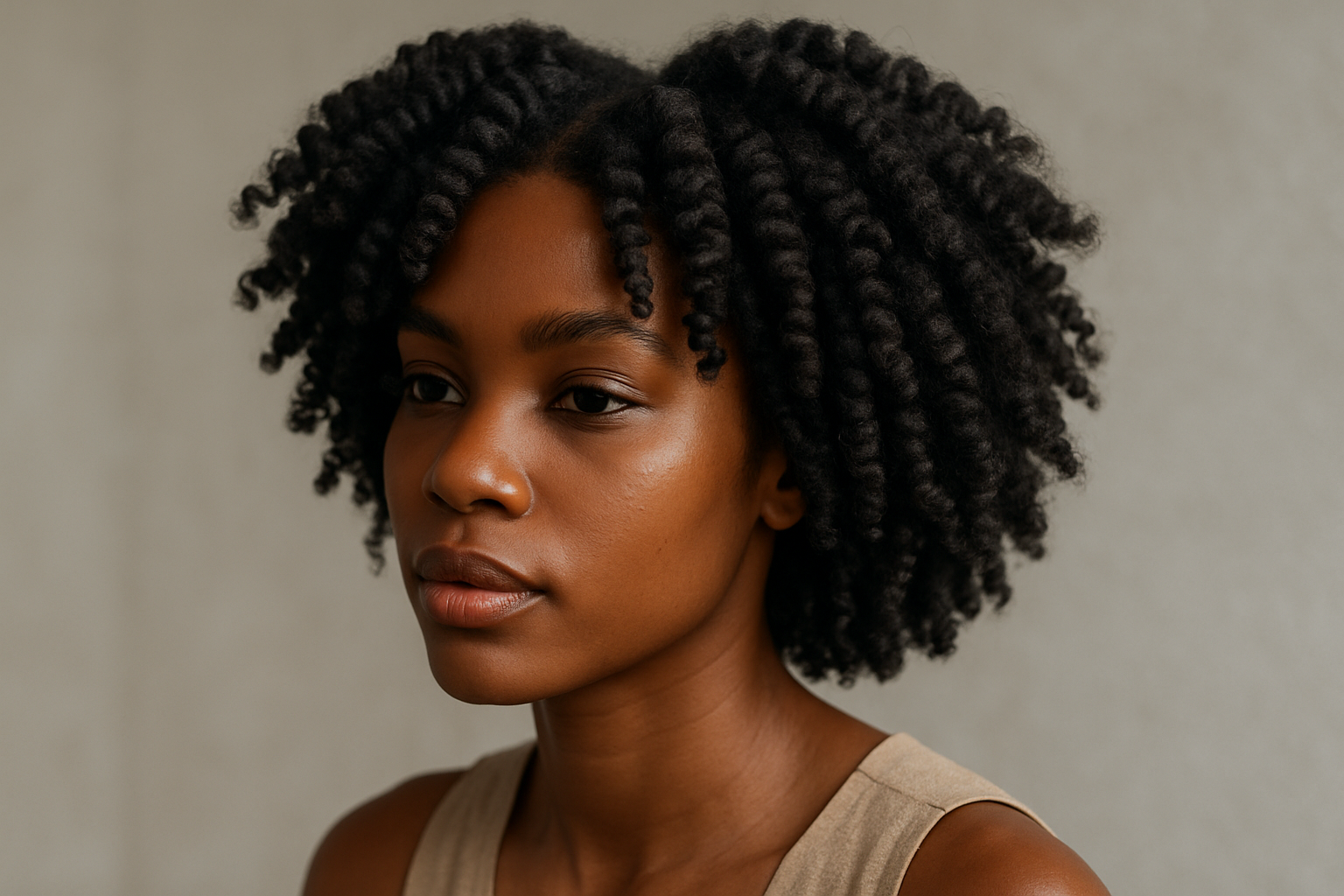
4C hair is beautiful, versatile, and deserves styling routines that work with its unique texture. Whether you’re looking for ultra-defined curls, protective looks, or everyday styles that hold up, this guide gives you practical, no-nonsense steps for healthy hair and lasting results. You’ll find tutorials, inspiration, and troubleshooting for real-life 4C hair challenges—no jargon, just clear advice you can use.
Understanding 4C Hair: What Makes It Unique
- Tightest curl pattern: Natural Z-shaped coils with minimal defined curl when dry, often described as cottony or fluffy.
- Dryness-prone: The structure makes it harder for scalp oils to travel the hair shaft, so moisture retention is key.
- Shrinkage: 4C hair can shrink up to 75% of its true length—normal and healthy, but styling must account for it.
- Breakage risk: Fragility means gentle detangling, protective methods, and low-manipulation styles are especially important.
Everyday 4C Hair Styling: What Works and Why
These five core styles are practical for work, school, and weekends, and can be adapted based on hair length, density, or your personal preference.
1. Ultra-Defined Twist-Out
- Who it suits: All lengths; especially good for showcasing natural texture with more definition and stretch.
- What you need: Leave-in conditioner, styling cream or gel, spray bottle with water, wide-tooth comb, satin scarf or bonnet.
- Start with damp, freshly washed hair. Apply leave-in conditioner and detangle gently with a wide-tooth comb or The Tangle Bloom Brush.
- Part hair into manageable sections (4-8, depending on thickness).
- Take a section, apply styling cream/gel generously, and split it in two. Twist tightly from root to tip. Repeat for each section.
- For extra hold, coil the end of each twist around your finger.
- Let hair air dry completely (overnight is best), or use a hooded dryer if short on time.
- Once dry, gently unravel twists, separate for volume, and fluff roots with fingers for shape.
- Common Mistakes: Unraveling before hair is fully dry (leads to frizz), twisting hair with product build-up, over-separating curls.
- Variation: Try flat twists for a smoother, more stretched result.
2. Classic Puff (High or Low)
- Who it suits: Short to medium lengths; ideal for days between wash and restyle.
- What you need: Soft bristle brush, snag-free headband or elastic, water spray, light oil or styling gel.
- Lightly mist hair with water to soften. Apply a small amount of gel or oil to the edges.
- Use a brush to smooth edges upward (for a high puff) or backward (for a low puff).
- Gently secure hair with a loose headband/elastic at your desired height. Avoid tight tension.
- Fluff out the puff for volume and shape. Lay edges with a brush or fingers if desired.
- Common Mistake: Using a tight elastic—this can cause breakage.
- Variation: Double puffs for a playful look.
3. Mini Bantu Knots
- Who it suits: All lengths; great for stretch, definition, or as a style on its own.
- What you need: Rat-tail comb, styling cream/gel, small elastics or pins (optional).
- Part hair into small sections using the end of a rat-tail comb.
- Apply cream or gel to each section, then twist and wrap the hair around itself to form a small knot.
- Secure with an elastic or tuck the end underneath.
- Repeat until all hair is knotted. Air dry or set overnight.
- Wear as-is or unravel for a defined curly look (“Bantu knot-out”).
- Variation: Larger knots for more dramatic definition and stretch.
4. Flat Twisted Crown Updo
- Who it suits: Medium to long 4C hair; works for formal or low-manipulation days.
- What you need: Rat-tail comb, styling cream, bobby pins, edge brush.
- Section off the perimeter of your hair (ear to ear, forming a circle or U-shape).
- Flat twist along the section, moving from one ear around to the other, picking up hair as you go.
- Pin the ends discreetly at the nape or temple. Smooth edges if you like.
- Leave the central hair loose, puffed, or in twists, or secure all hair up for a full updo.
- Tip: Use Pro-Section Grip Clips to keep sections clean as you work.
5. Two-Strand Twists (Protective Style)
- Who it suits: All lengths; great for busy weeks or as a base for twist-outs.
- What you need: Moisturizer, styling cream/gel, wide-tooth comb.
- Work on clean, damp hair. Apply moisturizer and detangle thoroughly.
- Section hair into desired size twists—smaller for more definition, larger for volume.
- Twist each section from root to tip, smoothing as you go.
- Allow to air dry fully. Style the twists as-is or pin up for updo variations.
- Maintenance: Wrap with a satin scarf or bonnet nightly to reduce frizz and keep twists neat.
Common 4C Styling Challenges (and Real Solutions)
- Lack of definition: Use enough product, twist tightly, and always style on damp (not saturated) hair.
- Breakage at the edges: Avoid tight styles, and switch up partings/position regularly.
- Flakes or product build-up: Use less product, clarify hair every 2-4 weeks, and avoid layering incompatible products.
- Dryness: Seal in moisture after every wash with light oil or butter. Re-moisturize as needed—don’t wait for dryness to appear.
How to Maintain 4C Styles (and Prevent Damage)
- Always wrap hair in a satin or silk scarf, bonnet, or use a satin pillowcase at night to reduce friction.
- Refresh styles by lightly misting with water and reapplying a small amount of leave-in or oil to hands before fluffing.
- Limit manipulation between washes—avoid over-fluffing or combing dry hair.
- Protect styles before showering or during workouts using a scarf or cap.
- Take down protective styles gently to avoid breakage—apply oil to fingers to ease unraveling.
4C Hair Inspiration: 7 Ideas to Switch Up Your Look
- Defined Side-Part Twist-Out: Ask your stylist for a deep side-part, then twist for extra volume on one side. Suits oval, heart, and round faces.
- Chunky Flat Twists to the Back: An elegant, low-manipulation style that works for work or formal events—leave ends out for a soft finish.
- Finger Coils: For shorter 4C hair, finger coils offer defined curls—ask for a defined coil-out for extra texture.
- Mini Puffs: Divide hair into multiple small puffs for a playful, youthful look; suits all face shapes and is easy to DIY.
- Halo Braid: A single, large flat twist or braid wrapped crown-style around the head. Ask for a soft halo with loose edges for a romantic effect.
- Pineapple Updo: Gather twists or curls atop the head for an easy, protective overnight style that works as a casual day look.
- Low Bun with Twisted Bang: A simple low bun at the nape with a few twists styled forward as a faux bang—chic and protective.
For more inspiration, see our guide to braided crown updos Braided Crown Updo Tutorial.
FAQ: 4C Hair Styling & Care
- How often should I moisturize 4C hair?
Most find every 2-3 days works, but it depends on how hair feels—mist lightly when dry and seal with oil as needed. - How do I stretch 4C hair without heat?
Use braids, twists, or bantu knots on damp hair, then release once dry for a stretched look. - What’s the best way to prevent breakage?
Be gentle when detangling, avoid tight styles, moisturize regularly, and protect hair at night. - How do I minimize shrinkage if I want my hair to look longer?
Try twist-outs or braid-outs, banding, or African threading—these all stretch without heat but won’t fully eliminate shrinkage (which is perfectly normal and healthy). - What’s a good protective style for short 4C hair?
Mini twists, finger coils, or flat-twisted updos are all great for shorter lengths and easy to maintain.
Want more practical tips for textured hair? Check out our step-by-step guide for wavy hair Wavy Hair Styling Guide and our realistic troubleshooting guide Troubleshooting Guide.
Some links may lead to products available through Hair & Glory. Choose products based on your own hair needs and preferences.